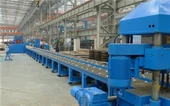
Yes,absolutely.A wood chipper is a powerful,heavy-duty machine designed to process branches,logs,and brush into wood chips.Like any piece of equipment with moving parts,an engine,and cutting blades,a wood chipper demands consistent and thorough maintenance to operate safely,efficiently,and reliably over its lifespan.Neglecting routine care can lead to poor performance,costly repairs,and serious safety hazards.
Wood chippers work under extreme stress.Their rotating discs or drums spin at high speeds while feeding mechanisms pull in tough,often dirty material.Over time,blunt blades reduce chipping quality and force the engine to work harder,increasing fuel consumption and wear.Dust and debris accumulate around the engine,air filters,and cooling fins,causing overheating.Lubrication breaks down,leading to bearing failure,belt slippage,and metal-on-metal damage.Safety components like emergency stop switches,guards,and reverse mechanisms can fail if not checked regularly.Routine maintenance catches small issues before they become major breakdowns and keeps the operator safe from unexpected jams or flying debris.
The most critical maintenance task is blade inspection and sharpening.The cutting blades are the heart of the chipper.Dull blades tear rather than cut,producing stringy chips and putting strain on the entire drivetrain.Blades should be checked after every eight to ten hours of use and sharpened when nicks appear or when chip size becomes inconsistent.Once blades have been ground down past their recommended thickness,they must be replaced entirely.
Engine oil changes are equally essential.Just like a car,the engine needs fresh oil.The manufacturer's schedule typically recommends changing oil every twenty-five to fifty hours of operation for small engines.Using the correct viscosity grade,often SAE 30 or 10W-30,is important,and used oil must be disposed of properly.The air filter also requires regular attention.A clogged air filter starves the engine of oxygen,reducing power and increasing fuel waste.Foam pre-filters should be cleaned with soapy water,and paper filters should be replaced annually or sooner in dusty conditions.Never run the chipper without an air filter.
Fuel system care prevents gumming in carburetors.Only fresh,stabilized fuel should be used,and old fuel must be drained before long-term storage.The fuel filter should be replaced per the manual,usually once per season.For diesel models,the fuel separator should be changed and the system bled as needed.Drive belts transfer power from the engine to the chipper drum,so belt tension and condition are vital.Loose belts slip and cause poor performance,while overly tight belts overload bearings.Belts should be inspected for cracks,fraying,or glazing,adjusted according to specifications,and replaced immediately when worn.
Lubrication of moving parts cannot be overlooked.Grease fittings on bearings,the feed roller shaft,and the PTO joint for tractor-mounted units must be lubricated regularly using a grease gun with the recommended lithium-based grease.Chains and cables should also be oiled lightly.Safety system checks should be performed before each use:test the emergency stop switch,feed control bar,and reverse mechanism.All guards and deflector shields must be in place and secure.Damaged wiring or hydraulic lines should be replaced immediately.
General cleaning after each session helps maintain the machine.Built-up bark,sap,and debris should be removed from the hopper,discharge chute,and engine area.Sap hardens and can jam the rotor or block cooling airflow.Washing the underside of the deck prevents rust.A visual inspection of bolts,leaks,and guards should be done before every use.Spark plugs should be replaced annually or every one hundred hours.Full service including valve clearance and carburetor adjustment should follow dealer recommendations.
Skipping maintenance invites serious consequences.Poor chip quality results in uneven,stringy output that clogs the discharge.Engine overheating can lead to piston seizure or cylinder scoring.Catastrophic blade failure may throw a blade through the housing or injure the operator.Hydraulic system contamination from dirt destroys pumps and valves.Furthermore,most manufacturers require proof of scheduled maintenance for warranty claims,so neglect can void the warranty entirely.
In conclusion,a wood chipper is an investment in property management,landscaping,or forestry work.Regular maintenance is not optional;it is the single most important factor in extending the machine's life,maintaining its performance,and ensuring operator safety.By following a simple,consistent routine of blade care,lubrication,fluid changes,and safety checks,you will get years of reliable service from your chipper and avoid expensive downtime.Always consult your owner's manual for model-specific intervals and procedures.
Does A Wood Chipper Require Regular Maintenance?
Jun 10, 2026
Leave a message
You Might Also Like