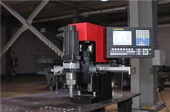
Operating a wood shredder always requires strict adherence to safety protocols.However,when processing infected wood-such as material infested with insects,fungi,or invasive species-the risks multiply significantly.Beyond standard mechanical hazards,operators face biological exposure.Implementing comprehensive safety measures is not just advisable;it is imperative to protect human health,prevent cross-contamination,and ensure environmental responsibility.
1.Personal Protective Equipment(PPE)
The first line of defense is appropriate PPE,which must be worn at all times.
•Respiratory Protection:A properly fitted NIOSH-approved N95 respirator or,better yet,a half-face respirator with P100 filters is essential.This prevents inhalation of harmful fungal spores(like those from mold or tree diseases),dust,and insect debris.
•Eye Protection:Safety goggles that provide a full seal are mandatory to block flying wood chips,dust,and particulates from entering the eyes.
•Hearing Protection:Wood shredders are extremely loud.Use earplugs or earmuffs to prevent hearing damage.
•Body Protection:Wear snug-fitting,long-sleeved shirts and long pants made of durable material(like canvas)to protect against scratches,flying debris,and contact with infected material.Sturdy,steel-toed boots with slip-resistant soles are crucial.
•Hand Protection:Heavy-duty,cut-resistant gloves improve grip and protect hands from splinters and sharp edges.
2.Pre-Operation Protocols
Preparation is key to safe operation.
•Site Assessment:Clear the work area of tripping hazards,bystanders,and pets.Establish a safety perimeter.
•Equipment Inspection:Thoroughly inspect the shredder before use.Check for worn blades,loose bolts,damaged guards,and fluid leaks.Ensure all safety interlocks and emergency shut-off features are functional.Never operate a damaged machine.
•Material Inspection:Visually assess the wood.Identify and remove any foreign objects(nails,wires,stones)that could become dangerous projectiles or damage the machine.
•Plan for Contamination:Have designated containers(e.g.,heavy-duty bags or covered bins)ready for the shredded,infected material to minimize airborne dispersal.
3.Operational Safety Procedures
•Follow Manufacturer Instructions:Never override safety features or modify the machine.Always use the recommended tool(e.g.,a push stick)to feed material;never use your hands or feet.
•Controlled Feeding:Feed material steadily and evenly.Do not force oversized or irregularly shaped pieces that could cause jams or kickbacks.
•Maintain Focus:Operator inattention is a major cause of accidents.Do not operate the shredder if you are tired,distracted,or under the influence of medication or substances.
•Jams and Blockages:Always turn off the machine,disconnect the power source(or engage the lock-out),and wait for all parts to come to a complete stop before attempting to clear a jam.Use a tool,not your hands.
4.Biological Hazard Control
This is the critical differentiator when handling infected wood.
•Containment:Position the shredder downwind if possible,and consider using temporary windbreaks or screens to reduce the spread of dust and spores.
•Decontamination:After operation,carefully clean all equipment surfaces with a recommended disinfectant(e.g.,a diluted bleach solution or commercial forestry disinfectant)to kill pathogens.Always follow the disinfectant's safety instructions.
•Personal Decontamination:After removing PPE,wash your hands,arms,and face thoroughly with soap and water.Wash work clothes separately in hot water.
5.Post-Operation and Disposal
•Safe Shutdown:Follow the manufacturer's procedure for shutdown.Allow the machine to process any remaining material before turning it off.
•Waste Disposal:Handle the shredded,infected material according to local environmental regulations.This may involve containment in specific bags,transportation to designated facilities(like landfills that accept infected wood),or on-site treatment(e.g.,deep burial,as per guidelines).Never use infected wood chips as mulch in gardens or landscaping,as this can spread the pest or disease.
•PPE Disposal/Cleaning:Disposable respirators and heavily soiled gloves should be bagged with the infected waste.Reusable PPE must be cleaned and disinfected properly.
Using a shredder for infected wood combines the significant dangers of powerful machinery with the insidious risks of biological contamination.A rigorous safety culture-encompassing correct PPE,meticulous operating procedures,and strict biological containment and cleanup-is non-negotiable.By treating every load of infected wood as a potential hazard,operators protect themselves,their communities,and the broader ecosystem from harm.Always consult and follow guidelines from occupational safety(e.g.,OSHA)and environmental protection agencies for the most current standards.
What Safety Precautions Are Essential When Using An Infected Wood Shredder?
May 23, 2026
Leave a message
You Might Also Like